



WELCOME TO NAARAYANI
FERTILITY & IVF CENTRE
Why Choose Naarayani FERTILITY & IVF CENTRE?
Naarayani Fertility & IVF Centre combining advanced IVF technologies with compassionate care, Naarayani is Kota’s trusted name in fertility. Our expert team, modern infrastructure, and ethical approach ensure high success rates and personalised support throughout your journey to parenthood.
17+ years of expertise you can trust
Trust Kota’s leading fertility centre to guide you confidently towards your parenthood dreams.
High Success Rates
Naarayani Fertility & IVF Centre delivers consistently high success rates through advanced treatments and expert care—turning hope into parenthood for countless families.
Modern IVF Facilities
Equipped with advanced labs, diagnostics, and comfortable recovery suites, Naarayani offers a seamless and precise fertility treatment experience at every stage.
About Us
At Naarayani Hospital, we specialize in fertility care that seamlessly blends compassion, expertise, and innovation. Backed by a team of highly experienced specialists and the latest in advanced reproductive technology, we are committed to turning your dream of parenthood into reality. With a foundation built on trust, personalized care, and unwavering hope, we walk beside you every step of the way—creating not just families, but lifelong bonds of joy and confidence.

Experienced Team
With over 17+ years of expertise, Naarayani Fertility & IVF Centre is led by a highly qualified team of fertility specialists, embryologists, and dedicated medical professionals. Our team brings a wealth of knowledge, precision, and a proven track record of successful treatments—ensuring that each patient receives the highest standard of care.
Modern Advanced IVF Technologies
At Naarayani, we utilize the latest advancements in IVF, including ICSI, genetic screening, and fertility preservation techniques. Our modern IVF lab is designed for precision, safety, and success—empowering couples with the best tools available in reproductive medicine today.
Patient-Centric Approach -
Our patient-centric approach means you come first. From personalized treatment plans to emotional guidance, we prioritize your comfort, trust, and well-being throughout the fertility journey.
Services
Expert Care for Every Step of Your Parenthood Journey.
Fertility Checkup
A fertility checkup is a comprehensive evaluation of a couple's reproductive health. It includes tests like hormonal assessments, ultrasound scans, semen analysis, and other diagnostics to identify possible causes of infertility and recommend the best treatment options for conception.
Intrauterine Insemination (IUI)
IUI is a fertility treatment where motile good quality sperm is directly placed into the uterus around the time of ovulation. This procedure increases the chances of sperm reaching the egg, improving the likelihood of fertilization for couples facing mild infertility issues.
Intracytoplasmic Sperm Injection (ICSI)
ICSI is an advanced IVF technique where a single sperm is directly injected into an egg to facilitate fertilization. This method is especially helpful for severe male infertility cases, increasing the chances of successful conception.
Donor Programme
Our Donor Programme offers thoroughly screened and ethically selected donors for sperm and eggs. Designed to support individuals and couples facing infertility, we provide personalized matching and compassionate care to ensure safe and successful fertility treatments.
Blastocyst Culture
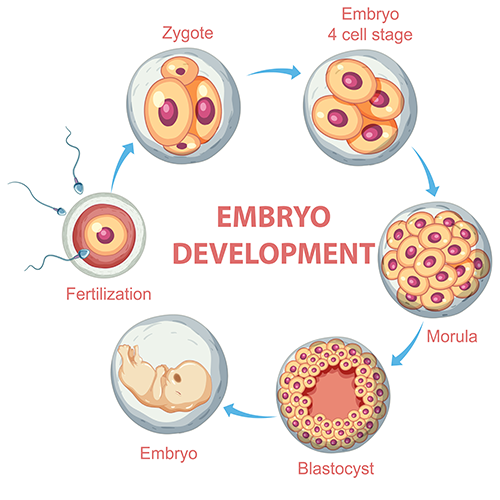
Blastocyst culture is an advanced IVF technique where embryos are grown in the lab for 5–6 days until they reach the blastocyst stage. This allows for better embryo selection, improved implantation rates, and a higher chance of successful pregnancy.
Laser Assisted Hatching
Laser Assisted Hatching is an advanced IVF technique where a precise laser creates a small opening in the outer shell (zona pellucida) of the embryo. This helps the embryo hatch and implant more easily in the uterus, improving success rates—especially for older women or those with previous IVF failures.
Cryopreservation
Cryopreservation is the process of freezing and storing eggs, sperm, embryos, or reproductive tissues at very low temperatures. This technique preserves fertility for future use, especially useful for individuals undergoing medical treatments or those choosing to delay parenthood.
Preimplantation Genetic Testing (PGT)
PGT is a genetic screening performed on embryos created through IVF to identify chromosomal abnormalities or genetic disorders before implantation. This helps select healthy embryos, increasing the chances of a successful pregnancy and reducing the risk of miscarriage.
Laparoscopy
Laparoscopy is a minimally invasive surgical procedure used to diagnose and treat conditions affecting the uterus, fallopian tubes, and ovaries. Through small abdominal incisions, a camera-equipped instrument is inserted to identify issues like endometriosis, fibroids, or tubal blockage—often improving fertility and aiding treatment planning.
Hysteroscopy
Hysteroscopy is a minimally invasive procedure used to examine and treat issues inside the uterus. A thin, lighted tube (hysteroscope) is inserted through the vagina to detect and correct problems like fibroids, polyps, adhesions, or abnormal bleeding—often improving fertility outcomes.
Appointment
Ready to Take the Next Step? Schedule Your Visit.
+91 9099987548
+91 9352415307
Timing schedule- Mon - Sat : 09:00 AM - 01:00 PM
- Mon - Sat : 04:00 PM to 6:00 PM
Treatment
Science, Compassion, and Hope — All in One Treatment.
Infertility Workup
An infertility workup is a comprehensive medical evaluation performed on couples who are unable to conceive after 12 months of regular, unprotected intercourse (or 6 months for women over 35). It helps identify the underlying causes of infertility and guides appropriate treatment options. The process typically includes hormonal tests, ultrasound scans, semen analysis, and imaging to assess reproductive health in both partners.
Semen Analysis
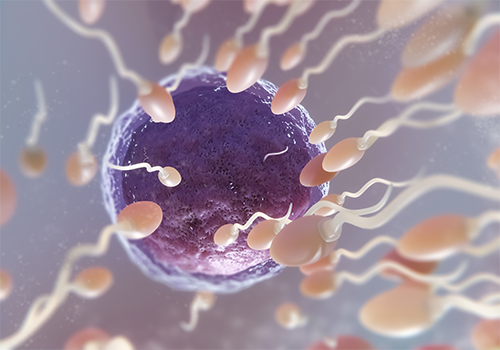
Semen analysis is a key diagnostic test in evaluating male fertility. It measures several important parameters such as sperm count, motility (movement), morphology (shape), volume, and pH level. The results help identify issues affecting sperm quality and guide the appropriate fertility treatment.
Sonography
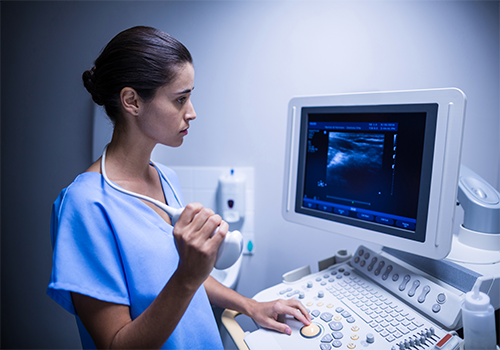
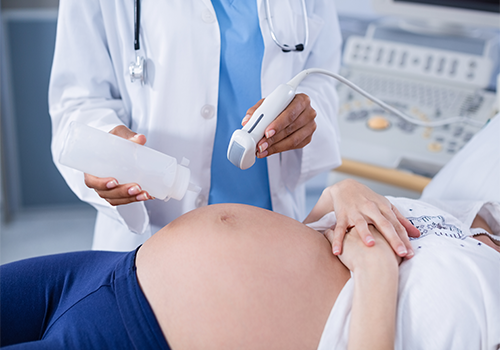
Sonography, or ultrasound imaging, is a non-invasive diagnostic tool used to visualize the reproductive organs. It helps assess the health of the uterus, ovaries, and follicles, monitor ovulation, detect cysts or fibroids, and evaluate any structural abnormalities that may affect fertility.
IVF
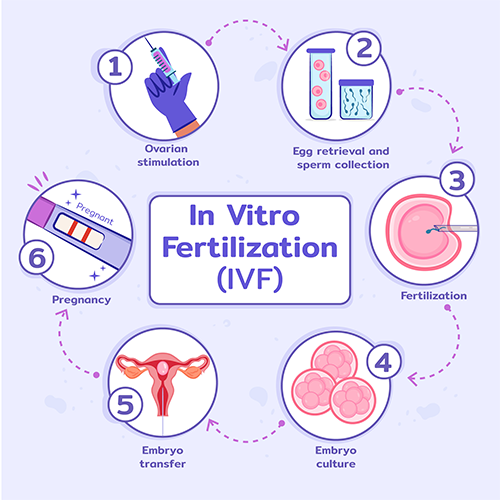
In Vitro Fertilization (IVF) is an advanced fertility treatment where eggs are retrieved from the ovaries and fertilized with sperm in a laboratory. The resulting embryos are then transferred to the uterus to achieve pregnancy. IVF helps overcome various infertility causes, including blocked tubes, low sperm count, and unexplained infertility.
IUI
IUI is a fertility treatment where specially prepared sperm is directly placed into the uterus around the time of ovulation. This procedure increases the chances of sperm reaching the egg, helping couples with mild male factor infertility, unexplained infertility, or cervical issues.
ICSI
ICSI is a specialized IVF technique where a single sperm is directly injected into an egg to facilitate fertilization. This method is especially beneficial for severe male infertility cases, low sperm count, or poor sperm motility, improving the chances of successful fertilization.
Hysteroscopy
Hysteroscopy is a minimally invasive procedure that uses a thin, lighted telescope (hysteroscope) inserted through the cervix to examine the inside of the uterus. It helps diagnose and treat uterine abnormalities like polyps, fibroids, adhesions, or a septum that may cause infertility or recurrent pregnancy loss.
Blastocyst Culture And Transfer
Blastocyst culture is an advanced IVF technique where embryos are grown in the lab for 5–6 days until they reach the blastocyst stage—a more developed form with higher implantation potential. Transferring a blastocyst improves pregnancy success rates by allowing better embryo selection and synchronizing implantation with the uterine lining.
Laser Assisted Hatching (LAH)
Laser Assisted Hatching is an advanced IVF technique where a precise laser is used to gently thin or create a small opening in the outer shell (zona pellucida) of an embryo before transfer. This helps the embryo hatch and implant more easily in the uterus, especially beneficial for older women, frozen embryos, or previous IVF failures.
Laparoscopy
Laparoscopy is a minimally invasive surgical procedure used to diagnose and treat fertility-related conditions such as endometriosis, ovarian cysts, fibroids, or blocked fallopian tubes. Through small abdominal incisions, a thin camera (laparoscope) provides a clear view of the pelvic organs, allowing accurate diagnosis and precise treatment with minimal recovery time.
DFI
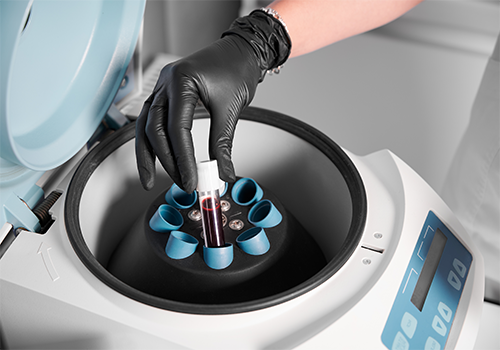
At Naarayani, we offer advanced DFI testing to assess sperm DNA quality—crucial for successful fertilization and healthy embryo development. This helps tailor treatments for improved IVF outcomes, especially in cases of male infertility or repeated IVF failures.
IUI
Intrauterine Insemination (IUI) is a simple and effective fertility treatment where healthy, prepared sperm is directly placed into the uterus during ovulation—boosting the chances of natural fertilization in cases of mild male infertility or unexplained infertility.
Micro TESE (Microscopic Testicular Sperm Extraction)
Micro TESE is a highly specialized surgical procedure to retrieve sperm directly from the testes in men with severe male infertility, such as azoospermia. Using a microscope, surgeons carefully locate areas producing sperm, increasing the chances of successful sperm extraction for use in IVF/ICSI treatments.
PGT-A (Preimplantation Genetic Testing for Aneuploidy)
PGT-A is an advanced genetic screening technique used during IVF to detect chromosomal abnormalities in embryos before implantation. By selecting embryos with the correct number of chromosomes, PGT-A improves the chances of a healthy pregnancy and reduces the risk of miscarriage.
Lymphocyte Immunization Therapy (LIP)
PLI is an immune-based therapy used in cases of recurrent miscarriages linked to immune incompatibility between partners. It involves injecting the female partner with a small dose of the male partner’s white blood cells (lymphocytes), helping her immune system accept the pregnancy and reduce rejection risks—increasing the chances of a successful outcome.
Cryopreservation
Cryopreservation is the process of freezing and storing eggs, sperm, embryos, or reproductive tissues at ultra-low temperatures for future use. It’s commonly used in fertility preservation for medical reasons (like cancer treatment) or for delaying parenthood, while ensuring the biological quality remains intact over time.
Donor Sperm
Donor sperm is used in fertility treatments when the male partner has severe infertility or genetic concerns, or in cases involving single women or same-sex couples. The sperm, carefully screened and selected from a certified donor, is used for procedures like IUI, IVF, or ICSI to help achieve pregnancy safely and effectively.
Ovum Donor (Egg Donor)
Ovum donation is a fertility treatment where eggs from a healthy, screened donor are used by women who are unable to produce viable eggs due to age, medical conditions, or genetic concerns. These donor eggs are fertilized through IVF, giving recipients a chance at successful pregnancy and parenthood.

Doctors
Meet the Minds Behind Miracles.

DR. AARTEE TARAIYA
Fetal Medicine & Obstetric Ultrasound (Comprehensive Course)MBBS, MS (OBS & Gynae)FMAS (Laparoscopic Surgeon)
Felloship in Reproductive Medicine & Art
Pg Diploma in Art & Reproductive Medicine
13 yrs experience of managing INFERTILITY & HIGH RISK cases

DR. JASWANT MAHAWER
Chief Neonatologiest & Incharge NICUMBBS, MD (Pediatrics)CFIN (Neonatology)
LLB (Medico-Legal)
14 yrs experience of managing HIGH RISK NEWBORN
Infertility
Infertility affects millions of couples worldwide and is defined as the inability to conceive after 12 months of regular, unprotected intercourse (or 6 months for women over the age of 35). It can stem from male or female factors—or, in some cases, remain unexplained. At Naarayani Fertility & IVF Centre, we provide comprehensive diagnostics and customized treatment plans to address all types of infertility with care and expertise.
Male Infertility
Male infertility accounts for nearly 40% of infertility cases and is often caused by issues such as low sperm count, poor motility, or abnormal morphology. At Naarayani, we use advanced semen analysis and diagnostic tools to identify the root cause. Treatments include lifestyle modification, medication, and advanced techniques like ICSI or surgical sperm retrieval (e.g., Micro-TESE).
- Lifestyle Disorder.
- Genetic Factor.
- Erectile Dysfunction.
- Infection.
- Endocrine Disorders.
- Varicocele.
Female Infertility
Female infertility may arise from ovulatory disorders (like PCOS), fallopian tube blockage, endometriosis, uterine abnormalities, or age-related decline in egg quality. Our fertility specialists use cutting-edge diagnostic procedures such as hormonal profiling, ultrasound, hysteroscopy, and laparoscopy to create effective treatment strategies including IUI, IVF, and minimally invasive surgeries.
- Irregular Menstrual Cycle.
- Age Factor.
- Endocrine Disorders.
- Endometriosis.
- PCOS.
- Fibroids.
- Polyps.
- Tubal Factor.
- Lifestyle Disorder.
- Genetic Factor.
Unexplained Infertility
When standard tests show no obvious cause of infertility, the condition is termed unexplained infertility. This can be frustrating, but hope remains. With thorough monitoring and advanced reproductive technologies—such as IVF with genetic testing, blastocyst culture, and fertility-enhancing techniques—we help many couples successfully achieve pregnancy.
- Premature Ovarian Failure (POF)
- Ovarian Cysts
- Polycystic Ovary Syndrome (PCOS)
- Polycystic Ovarian Disease (PCOD)
- Irregular Periods
- Blocked Fallopian Tubes
- Uterine Fibroids
- Adenomyosis .






Frequently Asked Questions
Helping You Understand Every Step of the Journey.
What is IVF?
In Vitro Fertilization (IVF) is an advanced fertility treatment where eggs are retrieved from the ovaries and fertilized with sperm in a laboratory. The resulting embryo is then transferred to the uterus for implantation.
Who is IVF recommended for?
IVF is recommended for couples with:
* Blocked or damaged fallopian tubes
* Male factor infertility (low sperm count or motility)
* Ovulation disorders (like PCOS)
* Endometriosis
* Failed IUI cycles
* Unexplained infertility
What is the success rate of IVF?
Success rates vary based on age, medical history, and other factors on Average 75% . Using advanced techniques like blastocyst transfer and genetic testing can improve success rates.
Is IVF painful?
IVF involves mild discomfort during hormone injections and egg retrieval, but most steps are performed under sedation or anesthesia, making the process manageable for most patients.
How long does the IVF process take?
A single IVF cycle typically takes 4–6 weeks, including ovarian stimulation, egg retrieval, fertilization, and embryo transfer.
Are there any side effects of IVF?
Some women may experience bloating, mood swings, mild cramping, or in rare cases, ovarian hyperstimulation syndrome (OHSS). Your doctor will monitor and manage these carefully.
Can IVF guarantee pregnancy?
While IVF significantly increases the chances of pregnancy, no fertility treatment can guarantee success. Multiple cycles may be needed in some cases.
Can I choose the gender of my baby?
Not Possible.
Are there risks of multiple pregnancies?
Yes, IVF increases the chances of twins or triplets if multiple embryos are transferred. However, most clinics now recommend single embryo transfer (SET) to reduce risks.
Is IVF safe for the baby?
Yes, IVF is considered safe. Studies show that babies born through IVF are as healthy as those conceived naturally, especially with advancements in embryo screening and lab practices
Contact
We’re Here for You — Reach Out Today
Location
150-151, Sector A
Shreenath Puram,
Near Jain Surgical Hospital,
Pin Code- 324010